

Are Car Fragrances Safe for Dogs and Cats?

A simple guide for sharing your car with pets.
Can you use car fragrance when traveling with a dog or cat?
Yes, with some care.
The most important questions are not simply whether a car has fragrance, but how strong it is, how it reaches the air, and whether your pet can come into direct contact with the fragrance material.
A simple rule is enough:
Keep the scent light. Keep the fragrance out of reach. Leave room for fresh air.
What actually matters? Three things.
01 — Fragrance strength
A car is a very small room.
You, your pet and the fragrance source may stay within one or two metres of each other for an entire journey.
Dogs and cats also experience scent more intensely than we do.
So in a small cabin, more fragrance does not necessarily mean a better fragrance experience.
Gentle, controlled diffusion makes more sense.
02 — Direct contact
Smelling a light fragrance in the air is very different from licking fragrance oil or getting concentrated material onto fur or skin.
Veterinary guidance notes that concentrated essential oils can be absorbed through the skin, respiratory system or digestive tract.
Cats deserve particular caution with certain essential oils because of differences in how they metabolize some compounds.
So when choosing a car fragrance, ask:
Can it leak? Can my pet reach it? Can the fragrance suddenly become too strong?
The physical design of a fragrance product matters too.
03 — Fresh air
Ventilation is one of the simplest ways to make a shared car environment more comfortable.
Especially on longer drives, allow fresh air into the cabin from time to time.
A fragrance should exist with the air, not replace it.
Natural doesn't automatically mean pet-safe.
“Natural” describes where an ingredient comes from.
It does not mean that every concentration or every method of use is automatically safe.
Essential oils come from plants, but concentrated essential oils can still cause problems for animals depending on the oil, concentration and type of exposure.
So instead of only asking:
“Is it natural?”
A more useful question is:
“What is the finished formulation, how much is being released, and how will it be used?”
For a small space shared with pets, concentration and exposure matter more than a simple natural-versus-synthetic label.
Why does the car itself matter?
Because a car is not just a smaller living room.
It is a compact environment with:
limited air volume,
close distance between occupants and fragrance,
changing airflow,
and large temperature swings.
That means fragrance behaves differently inside a vehicle.
A scent that feels quiet in a room may feel much more present inside a closed cabin.
This is why we believe car fragrance should be designed specifically for small-space diffusion, rather than simply making the scent stronger.
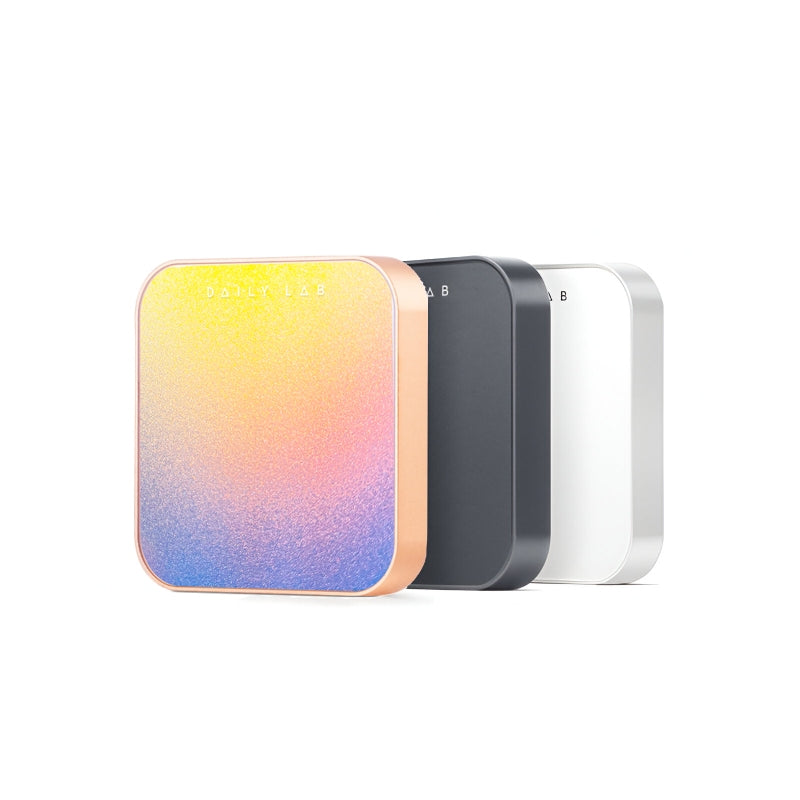
How DAILY LAB approaches fragrance for small spaces.
At DAILY LAB, many of our automotive fragrance products use solid scent refills rather than an exposed bottle of liquid fragrance.
For example, the Star Glow Car Diffuser uses solid scent tablets with DAILY LAB slow-release technology. The refills are individually protected with vacuum packaging before use.
The Aroma Stick Car Diffuser also uses a solid scent refill with DAILY LAB slow-release technology.
This does not mean that solid scent automatically equals pet-safe.
It reflects the way we prefer to design fragrance for a compact, moving environment:
contained, controlled and easy to live with.
For us, “pet-friendly” is better understood as a design responsibility, not an absolute promise that one fragrance will suit every dog and every cat.
Applicable IFRA Standards can form part of fragrance ingredient risk management, but IFRA compliance should not be understood as a separate certification of pet safety.
Traveling with a pet? Remember four things.
01
Keep fragrance materials out of reach.
Do not allow pets to lick, chew or play with fragrance refills or oils.
02
Keep the scent gentle.
If the cabin already smells strong to you, there is usually no reason to increase the fragrance intensity.
03
Let fresh air in.
Ventilation matters, especially during longer journeys.
04
Watch your pet, not just the label.
If your dog or cat begins coughing, wheezing, drooling, vomiting, acting unusually tired or showing obvious discomfort, remove the fragrance source and move the animal to fresh air.
Seek veterinary advice if symptoms continue or significant exposure may have occurred.
Pets with respiratory conditions or known fragrance sensitivity may simply be more comfortable without added scent.
And that is perfectly fine.
A little scent. Still plenty of air.
DAILY LAB has always believed that fragrance inside a car does not need to behave like a perfume counter.
It does not need to announce itself every second.
You should still notice the material of the car, the air coming through the vents, the weather outside—
and the dog sleeping behind you.
A pet-friendly cabin doesn't need to be fragrance-free.
It needs room for fresh air.
Quick Questions
Are all car air fresheners dangerous to dogs? No. Ingredients, concentration and exposure method all matter. Avoid direct contact and keep fragrance intensity moderate.
Are cats more sensitive to fragrance? Cats require additional caution with some concentrated essential oils because they metabolize certain compounds differently.
Does natural mean pet-safe? No. Natural ingredients can still cause problems at high concentrations or through inappropriate exposure.
Does IFRA compliance mean pet-safe? No. IFRA Standards are part of fragrance ingredient risk management and should not be interpreted as a certification that a finished product is safe for every animal.
This article provides general information about fragrance use around pets and is not veterinary advice. If you suspect significant exposure or your pet develops unusual symptoms, contact a veterinarian.
Sources & Further Reading
ASPCA Animal Poison Control Center
Merck Veterinary Manual — Essential Oil Toxicoses in Animals
International Fragrance Association — IFRA Standards and Guidance
Share this
Popular posts

Popular posts

Popular posts
